The global fascination with South Korean culture isn’t just about music and drama anymore — it’s reshaping how the world eats. K-pop, K-dramas, and the broader Hallyu wave are directly boosting international demand for K-ramyun noodles, turning them into one of Korea’s most dynamic food exports.
Here’s how music, film, and pop culture are fueling K-food’s global appetite — and why Korean ramyun is now a billion-dollar phenomenon.
From K-Pop to K-Food: A Cultural Domino Effect
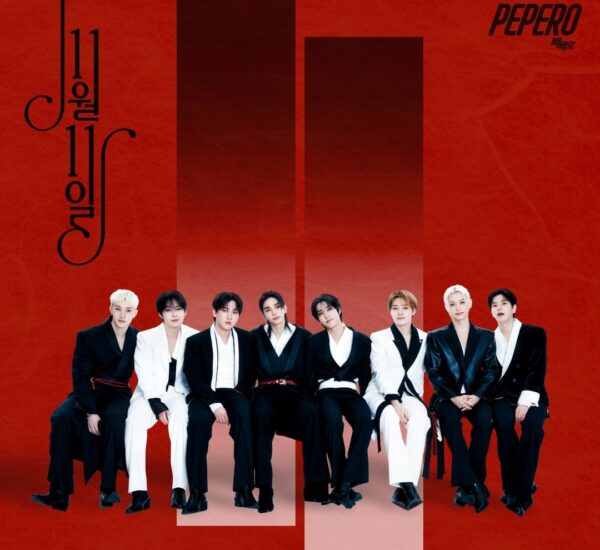
The rise of Korean popular culture — especially K-pop — has created worldwide excitement around anything Korean. Fans who discover Korean culture through idols and entertainment often bring that curiosity into their daily lives, including what they eat.
When global stars mention Korean food, fans listen.
This creates:
✔ New fans trying Korean food for the first time
✔ Global consumers seeking authentic Korean tastes
✔ Cross-category interest linking music, TV, film, and food
The result? Korean ramyun isn’t just a snack — it’s part of a cultural experience.
K-Ramyun: Surging Demand Across Continents
According to recent reporting from ****, demand for Korean instant noodles has soared well beyond Asia.
Key global trends include:
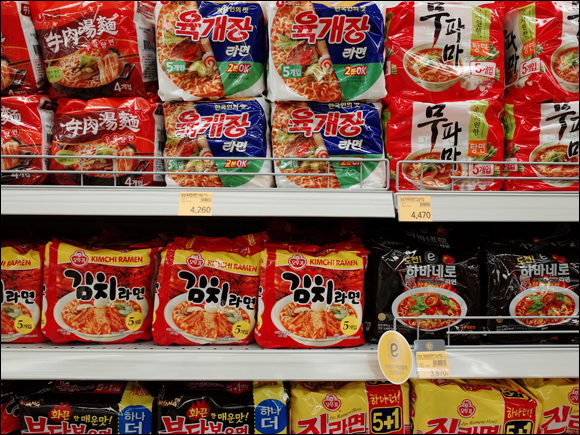
- European supermarkets now stock Korean ramyun lines widely
- U.S. grocery stores run Korean noodle promotions tied to K-pop and K-drama events
- Pop-up stores and food festivals spotlight Korean ramyun flavors
Consumers are drawn to unique tastes like kimchi-ramyun, spicy chicken, and fusion blends, combining authentic Korean spice with global flavor preferences.
Billion-Dollar Export Boom
South Korea’s K-ramyun exports have now surpassed the billion-dollar mark, driven by rising global appetite and integration with Korean pop culture.
Here’s what’s fueling the growth:
- Cultural curiosity from K-pop fans
- Popular films and dramas featuring Korean food
- Social media trends including mukbangs, food shorts, and TikTok challenges
This boom has pushed major producers to scale up rapidly — both at home and abroad.
Inside the Production Surge
One standout example is Nongshim, Korea’s leading ramyun maker.
At its Gumi facility alone:
- The plant now produces nearly 5 million packs per day
- AI-driven production enhances efficiency
- Overseas facilities are being expanded to meet export demand
This level of automation and global scaling showcases Korean companies’ ambitions to meet the world’s growing appetite for K-food.
What Consumers Love About K-Ramyun
Global shoppers point to several reasons behind Korean ramyun’s popularity:
Convenience
Instant noodles are quick, easy, and familiar — ideal for busy lifestyles.
Distinctive Flavors
Korean ramyun flavors are bold and memorable:
- Kimchi
- Spicy chicken
- Seafood
- Bulgogi fusion
Higher-Quality & Healthier Options
New lines emphasize better ingredients and reduced sodium, appealing to health-aware consumers.
Fans rarely just stop at one pack — they explore multiple flavors and brands, often sharing their experiences online, further boosting awareness.
Hallyu Tie-Ins: TV & Film Boost Food Interest
The global influence of Korean entertainment — from blockbuster dramas to films like Demon Hunters — turns food placement into international exposure.
Fans watching their favorite shows often discover:
- Ramyun scenes in episodes
- Characters eating Korean noodles
- Celebrity endorsements of Korean snacks
With social media amplification, every ramyun bowl on screen becomes a global food marketing moment.
From Seoul to Everywhere
Today, K-ramyun is not just a food item — it’s part of how the world experiences Korean culture beyond music and dance.
Where once K-pop brought fans to Korea’s music, now ramyun brings Korea to fans’ dinner tables.
It’s a cultural loop:
Music → Drama/Film → Food → Social Media → Global Curiosity
And every loop strengthens the global Korean wave.
KOREA FBI Editor’s Comment
K-pop didn’t just change music — it changed how people around the world think about Korea. Now that cultural influence is turning into real global demand for food.
Korean ramyun isn’t just tasty — it’s symbolic. It tells a bigger story about how culture, convenience, and community come together in the digital age.
For fans and food lovers alike, every bowl is more than a meal — it’s a connection to the world of Hallyu.
작성자 소개