Why Korea’s most famous food market is under fire — and what’s changing now
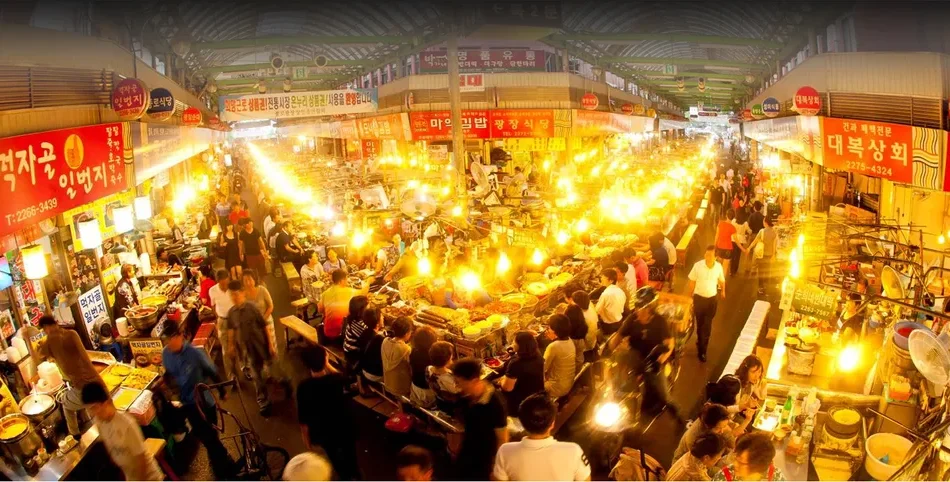
Gwangjang Market in central Seoul is normally one of the coolest stops for young travelers. It’s famous for viral street foods like tteokbokki, bindaetteok, gimbap, and even live octopus. The narrow aisles, neon signs, and mix of old shops and trendy fashion brands make it feel like the real Korea everyone wants to see.
But recently, the market has been trending for the wrong reasons.
What Started the Drama?
A YouTuber uploaded a video showing what they got for 4,000 won ($3) at a tteokbokki stall:
Only six pieces of rice cake.
And a 7,000 won sundae order came with just nine pieces.
Comments blew up with reactions like:
- “Isn’t this price gouging?”
- “Why do they list 8,000 won but force you to buy the 10,000 won one?”
- “I saw a vendor mixing leftover side dishes…?”
Not exactly the kind of vibe tourists expect.
Not the First Time
This isn’t new.
- 2022: A stall charged more than the posted price → massive backlash.
- November 2024: A viral YouTuber was charged 10,000 won for an 8,000 won dish → another explosion online.
Even though the controversies keep coming, the market’s popularity has only increased, especially with foreign tourists and Gen Z Koreans who want “authentic street food culture.”
Why the Market Is Split
Inside Gwangjang, tension is rising between two groups:
Licensed Shop Owners (≈200 members)
Food stalls, crafts, clothing, bedding shops
→ They claim their reputation is damaged.
Street Stall Operators (≈250 members)
More temporary-style vendors
→ Accused of unclear pricing and aggressive sales.
The official merchants’ association is even preparing a 300M won lawsuit against the stall operators.
Government Steps In
Because the issue went viral globally, Korean authorities are now involved.
At a meeting with national and city officials, Korea’s Second Vice Minister of SMEs and Startups said:
“Gwangjang Market is often the first gateway to Korea for foreign tourists.”
The government demanded:
- Accurate & visible prices
- Clear payment procedures
- Better hygiene training
- More foreign-language signs
- QR-code guides for international visitors
- Tighter stall permits and real-name IDs for operators
Basically, they want the market to feel safe, honest, and tourist-friendly, especially for first-time visitors in their teens and twenties.
How Merchants Are Responding
Many say business is already hurting. They promised to:
- Improve customer service
- Increase internal inspections
- Offer multilingual menus
- Clean up stall operations
- Stop confusing pricing
They know global trust is essential — especially with so many influencers filming.
KOREA FBI Commentary :
“Please stop damaging Korea’s food culture.
So many honest vendors across Korea work with real passion, quality, and heart.
They deserve the spotlight — not those who cut corners.”
Why This Matters for Young Travelers
If you’re visiting Korea soon, remember:
✔ Gwangjang Market is still iconic
✔ Most vendors are friendly and authentic
✔ Improvements are coming fast
✔ This controversy might make the market even better for tourists
And yes — always check the listed price before ordering.
Every market in the world has a few bad apples, but that shouldn’t stop you from exploring Korea’s insane street-food culture.
SEO Keywords
Gwangjang Market 2025, Seoul street food, Korea food controversy, Korean tteokbokki price, Seoul travel tips, Korean market guide, Korea Gen Z travel, Korean food culture, Seoul trending news, KOREA FBI insights
# This article was originally written in Korean and translated by a bilingual reporter with the assistance of generative AI tools. All AI-assisted translations are reviewed and refined by our KOREA FBI editorial team.
작성자 소개