TikTok Is Turning K-Beauty Into America’s Hottest Beauty Trend
On a busy Saturday inside an Ulta Beauty store in Midtown Manhattan, Denise McCarthy stood in front of a wall filled with pastel Korean lip tints, sunscreens, and cushion foundations. Her phone buzzed — another message from her teenage daughter.
It was a TikTok link.
“My kids send me TikToks and tell me which products to buy,” she said with a laugh. “I don’t even know what half of these do.”
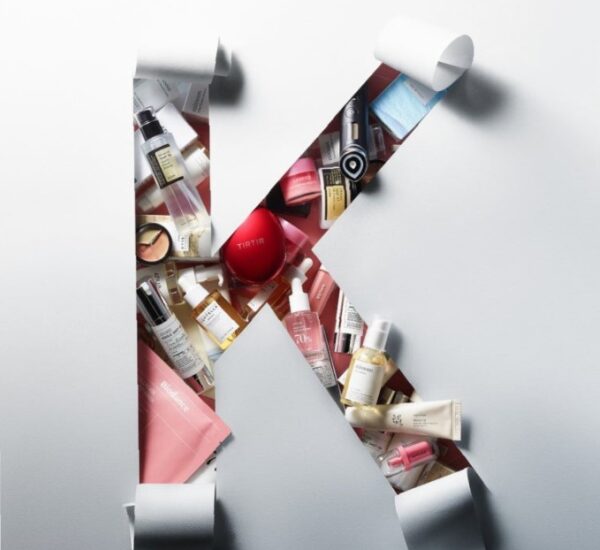
Scenes like this are becoming common across the United States. Once considered a niche market for skincare enthusiasts, K-beauty has exploded into the American mainstream, largely powered by viral trends on TikTok and younger consumers eager to try innovative Korean products.
K-Beauty Sales Are Surging in the U.S.
According to market research firm NielsenIQ, K-beauty sales in the United States are expected to surpass $2 billion in 2025, representing more than 37% growth year-over-year.
That’s dramatically faster than the overall beauty industry, which is growing only in the single digits.
The surge is also reflected in export data. In the first half of 2025, South Korea shipped a record $5.5 billion worth of cosmetics globally, a 15% increase from the previous year. Korea has now surpassed France as the largest cosmetics exporter to the United States.
Industry analysts say the momentum is unlike anything the beauty sector has seen recently.
“When you compare that to the broader beauty market, K-beauty is clearly operating in a different gear,” said NielsenIQ executive Therese-Ann D’Ambrosia.
Viral TikTok Products Drive Shopping Frenzy
Much of the demand is fueled by TikTok’s beauty ecosystem — particularly “Get Ready With Me” (GRWM) videos and skincare routines posted by influencers.
Popular viral products include:
- Korean lip tints
- SPF sunscreens with lightweight formulas
- Cushion foundations
- sheet masks
- hybrid skincare-makeup items like tinted serums
Facial skincare remains the largest category, but hair care is currently the fastest-growing segment, NielsenIQ reports.
Meanwhile, hybrid beauty products — combining skincare and makeup — are becoming signature K-beauty innovations.
U.S. Retailers Are Racing to Win the K-Beauty Market
Major American retailers are now competing aggressively to capture the K-beauty boom.
Ulta Beauty
Ulta Beauty launched “K-Beauty World”, a dedicated section highlighting Korean brands and beauty tech devices.
The company reported a 38% increase in Korean skincare sales in early 2025.
Ulta is also the only major U.S. retailer currently selling products from Medicube, a Korean beauty-tech brand popular with celebrities.
Sephora
Sephora has expanded Korean product displays at flagship locations such as Times Square.
The retailer also secured exclusive U.S. launches for Korean skincare brands:
- Hanyul
- Aestura
Big-Box Retailers Join the Race
Even large retailers are expanding Korean beauty offerings:
- Walmart
- Costco
Both have added Korean essences, serums, and sheet masks as demand grows rapidly.
Industry experts describe the competition as a retail “arms race.”
Korean Beauty Retailers Are Entering the U.S.
The next phase of the boom may come from Korean retailers themselves.
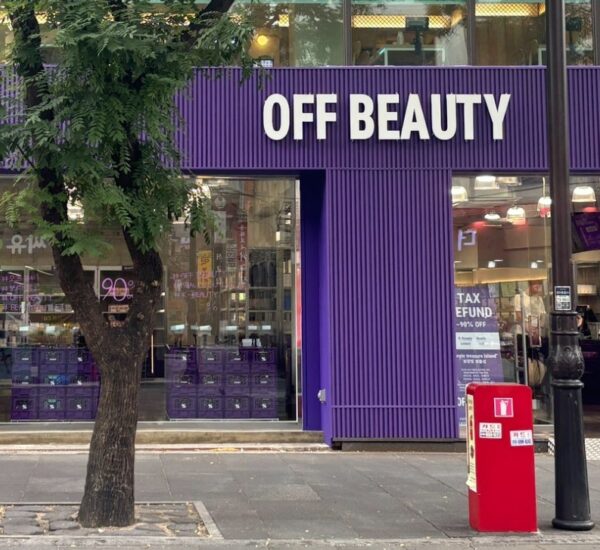
The famous Korean beauty chain Olive Young — often called “the Sephora of Seoul” — plans to open its first U.S. store in Los Angeles next year.
Meanwhile Asian beauty retailer Sukoshi plans to open 20 additional stores across North America, including locations in Seattle, Miami, and Austin.
Retailers say physical stores are key because customers want to try products they see trending on TikTok immediately rather than waiting for overseas shipping.
Even Trade Tensions Haven’t Slowed the Boom
The surge is happening despite global trade tensions.
Earlier this year, U.S. shoppers rushed to stock up on Korean beauty products after tariff concerns arose under the administration of Donald Trump.
Ultimately, a deal set tariffs at 15% instead of the initially proposed 25%, helping prevent dramatic price increases.
Many Korean brands also temporarily absorbed the added costs to keep products affordable for American customers.
Why K-Beauty Is Winning Globally
Experts say several factors explain the explosive growth:
1. Viral Social Media Marketing
TikTok trends can instantly turn a Korean product into a global bestseller.
2. Innovation
K-beauty brands frequently introduce new textures, ingredients, and hybrid formulas.
3. Affordable Luxury
Many Korean skincare products offer high-quality formulas at relatively accessible prices.
4. Gen Z Influence
Younger consumers actively discover and recommend products online.
The Global K-Beauty Wave Is Just Beginning
With social media continuing to drive product discovery, analysts expect the K-beauty boom to continue expanding worldwide.
For American shoppers — especially Gen Z — Korean beauty has shifted from a niche curiosity to an everyday skincare routine.
And for Korean brands, the U.S. market may be just the beginning.
KOREA FBI Editor’s Comment
The U.S. K-beauty boom shows how powerful the combination of K-culture and social media has become. From skincare routines to viral TikTok products, Korean beauty innovation is reshaping the global cosmetics industry. If this trend continues, K-beauty may soon dominate the global beauty market just like K-pop did in music.
작성자 소개