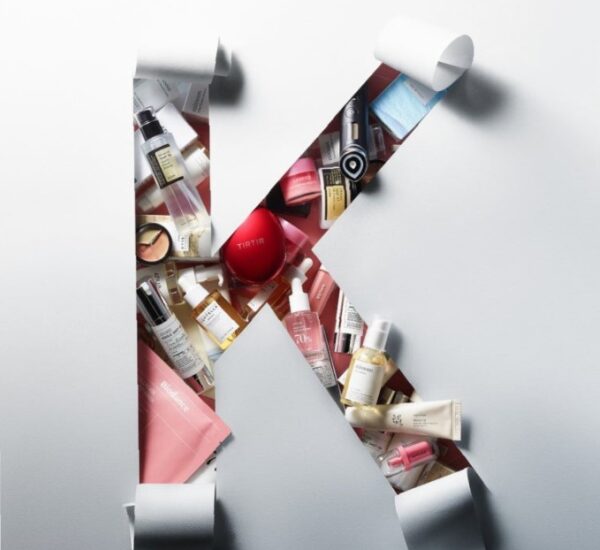
K-beauty is no longer a fleeting trend—it’s a global beauty force.
If 2025 marked the moment Korean beauty fully captured Western retail, 2026 will be the year K-beauty matures, educates, and evolves.
From Ulta’s partnership with K-Beauty World and Hansung Beauty to Sephora’s expanding Korean assortments—and Olive Young’s highly anticipated first U.S. brick-and-mortar store—K-beauty has officially crossed into the mainstream. But according to industry insiders, this is only the beginning.
“The current K-beauty landscape in retail is only just beginning,” says Sarah Chung Park, founder and CEO of Landing International and creator of K-Beauty World. “Expect far more brands and new categories in 2026, with both major and emerging retailers investing heavily in K-beauty as a core growth priority.”
With TikTok accelerating discovery and education, Korean brands are entering global markets faster than ever. Michelle Lee, former editor-in-chief of Allure and current CMO of K-Beauty World, agrees:
“2026 is poised to be an even bigger year for K-beauty as education and awareness continue to grow.”
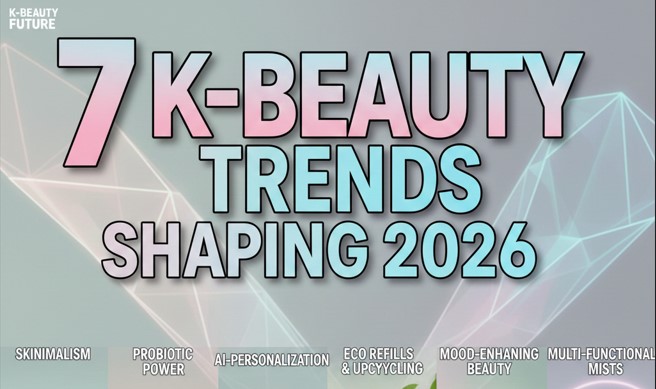
So what exactly will define K-beauty in 2026? Here are the seven trends shaping the next era.
1. Glass Skin 2.0: From Glow to Bounce
Glow isn’t going anywhere—but it’s evolving.
The next iteration of glass skin focuses less on surface shine and more on plumpness, elasticity, and cushiony texture.
“That springy, bouncy look is becoming just as important as glow,” says Charlotte Cho, cofounder of Soko Glam and founder of Then I Met You.
The new goal? Skin that looks fresh, lifted, and full of life from every angle.
2. Skin Education Becomes Mainstream
If 2025 was about discovery, 2026 is about understanding.
Consumers want to know:
- When to use toner pads
- What PDRN actually does
- How different textures affect barrier health
As education increases, so does confidence—and long-term loyalty.
3. Clinic-Inspired Results, At Home
Korean brands continue to blur the line between skincare and treatment.
Advanced ingredients, delivery systems, and at-home technologies once exclusive to dermatology clinics are becoming accessible—and effective.
“When people see real improvements at home, it builds long-term curiosity for what Korea will create next,” Cho explains.
4. Barrier-First Formulas
Rather than chasing instant glow, K-beauty innovation is increasingly focused on strengthening the skin’s foundation.
Healthy barriers mean better texture, resilience, and visible youth over time.
5. Streamlined, Smarter Routines
More steps? Not anymore.
2026 is about high-performance essentials that fit into busy lives.
“People want smart products that genuinely strengthen skin—without a complicated routine,” Cho says.
Multi-functional formulas will dominate, replacing long, layered regimens.
6. Ingredient Innovation Meets Familiar Favorites
Classic Korean ingredients like snail mucin aren’t disappearing—they’re being reimagined.
New formulas pair trusted actives with next-gen innovations like volufiline, creating hybrid products that feel both comforting and cutting-edge.
7. Overnight Masks, Reimagined
Sleep-time skincare is getting smarter.
The next generation of overnight masks focuses on repair, recovery, and skin architecture, not just moisture—delivering visible results by morning without heaviness.
What This Means for Global Beauty
K-beauty’s future isn’t about excess—it’s about precision, education, and results.
As consumers become more informed, Korean brands are responding with thoughtful innovation that prioritizes skin health, longevity, and real transformation.
And this is just the beginning.
Next up: We’ll break down these trends product by product, spotlighting the formulas and brands leading K-beauty into 2026.
KOREA FBI Editor’s Comment
K-beauty’s evolution mirrors its philosophy: care first, results second, hype last.
2026 isn’t about louder launches—it’s about smarter skin. And once again, Korea is setting the global standard.
작성자 소개