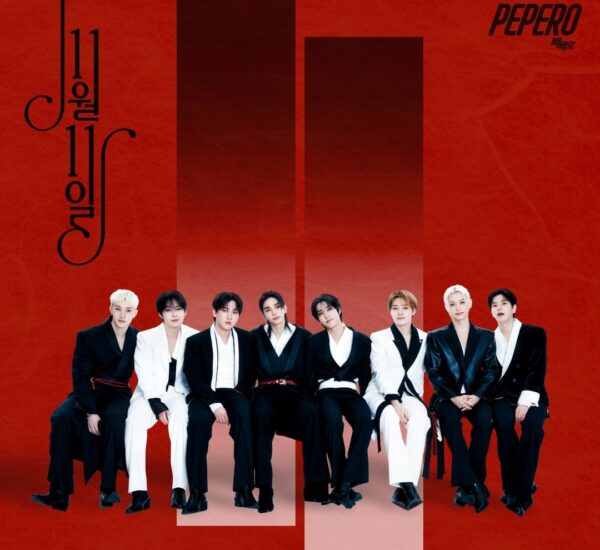
Kimbap Heaven Festival, October 25-26, 2025
A small city, a viral moment, and the rise of a new K-Food capital.
When you think of Korea, what comes to mind first?
K-pop, K-drama… or maybe K-food?
Now, add one more to that list: Gimcheon — a small city that’s suddenly become the talk of Korea.
The Power of a Name
Koreans love shortening names.
Baskin Robbins becomes “Bera.”
Starbucks? “Sbeok.”
Olive Young? “Olyeong.”
It’s a linguistic trend among MZ generations — fast, fun, and full of personality.
But recently, one Korean city found itself the lucky beneficiary of this very habit.
From Gimcheon to “Kimbap Heaven”

(Source : The right image is from Gimcheon City’s official Youtube, and the left image is a reconstructed version.)
Gimcheon (金泉市), located between Daejeon and Daegu, is home to just 140,000 people —
a quiet, middle-sized city surrounded by mountains and countryside.
Yet, during one weekend festival, something remarkable happened: Over 80,000 visitors flooded in.
Half the city’s population — in a single day.
And the reason?
The Power of kimbap as a food was truly special
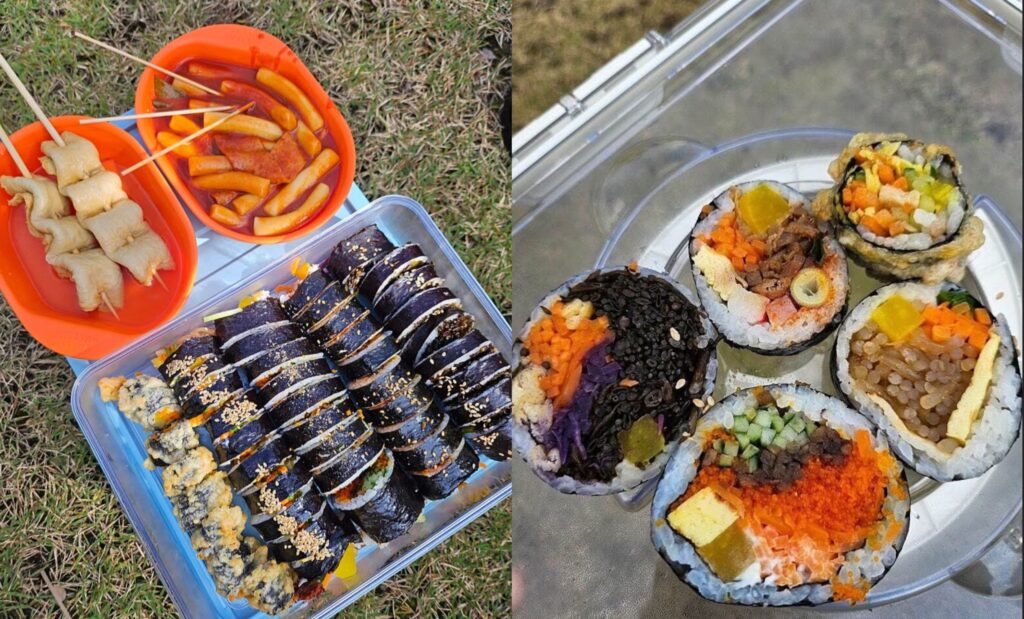
(Source : Photos posted by visitors who attended the 2025 Gimcheon Kimbap Festival on X(formerly Twitter)
That humble Korean roll of rice, seaweed, and love.
A Scene That Changed Everything
The global K-Food boom got an unexpected boost when Netflix released K-Pop Demon Hunters.
In one standout scene, the animated girl group HUNTR/X dives into a chaotic, delicious Kimbap mukbang (eating scene).
It was pure dopamine for viewers — bold colors, crunchy sound effects, that unmistakable Korean energy.
Soon, clips flooded TikTok and YouTube, reigniting worldwide curiosity about Korean food culture.
And right then, Gimcheon — by coincidence or by fate — launched its own 2025 Kimbap Heaven Festival.
A Festival of Flavor and Fortune
At first, it sounded like a joke.
Gimcheon… Kimbap Heaven? The rhyme alone felt too perfect.
But it worked.
Streets filled with visitors, families rolled seaweed by hand, and influencers streamed live from food stalls.
Major broadcasters like MBC covered the event, and soon, Gimcheon became a trending search term across Korea.
It’s as if the stars — and the sauces — aligned.
K-Food Meets K-Culture
as someone from Jeonju, a city famous for its culinary traditions,
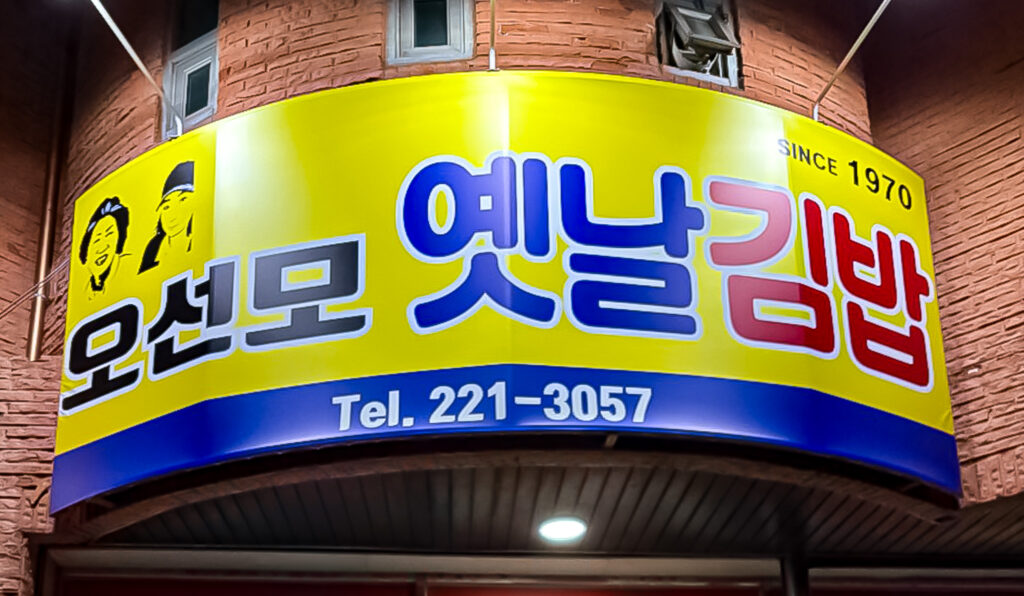
I’ve always had a special place in my heart for Kimbap (especially from my favorite local shop, Oseonmo Kimbap).
The photo below is my favorite kimbap restaurant since 1970
But seeing Gimcheon rise as Korea’s “City of Kimbap” feels bigger than food.
It’s culture. It’s identity. It’s timing — the kind of serendipity that only happens once in a while.
The Lucky City
Maybe Gimcheon didn’t plan any of this.
Maybe it was just luck — a meme, a moment, a movement.
But sometimes, that’s how cultural magic happens.
What begins as a coincidence becomes a symbol.
Today, when people say “Kimbap Heaven,” they’re not just talking about a chain restaurant.
They’re talking about a city that found its flavor and fame through K-Food.
So here’s to Gimcheon —
a small Korean city that rolled its way into the spotlight, one bite of Kimbap at a time.
작성자 소개