The global dessert scene is undergoing a flavorful transformation—and at the center of it is Korea’s uniquely creative twist on texture.
In 2026, one of the most defining trends in the food industry is the rise of “texture-driven consumption,” where the sensory experience of eating—chewy, crispy, gooey—matters just as much as taste. Leading this movement is Korea’s rapidly growing category of hybrid desserts, where global sweets are reimagined with signature Korean textures and ingredients.
From Trend to Category: The Rise of Hybrid K-Desserts
What began as viral food trends on social media has now evolved into a full-fledged market category.
A standout example is the so-called “Dubai Jjondeuk Cookie” (두쫀쿠)—a Korean reinterpretation of Dubai chocolate desserts. This item combines a rich chocolate base with kadayif-like crispiness and Korea’s signature chewy texture, creating a multi-layered bite that quickly captured attention on platforms like TikTok and Instagram.
Unlike past short-lived fads such as tanghulu, this trend has proven more sustainable. The reason? It doesn’t rely on a single product—but rather on a repeatable texture formula: crispy outside, chewy inside, and visually satisfying layers.
The Business Impact: More Customers, Higher Spending
According to industry data from Korea Credit Data (KCD), businesses selling these hybrid desserts have seen steady revenue growth, particularly in the second half of last year.
Cafés, bakeries, and dessert shops account for nearly 79% of total sales, with these items becoming core menu offerings. More importantly, they are not cannibalizing existing products—instead, they are:
- Attracting new customers
- Increasing average spending per visit
- Expanding overall store revenue
Some foodservice brands are even using these desserts as “bait products”—strategically placing them alongside main menu items to drive additional purchases.
Another Star Emerges: Butter Mochi Goes Viral
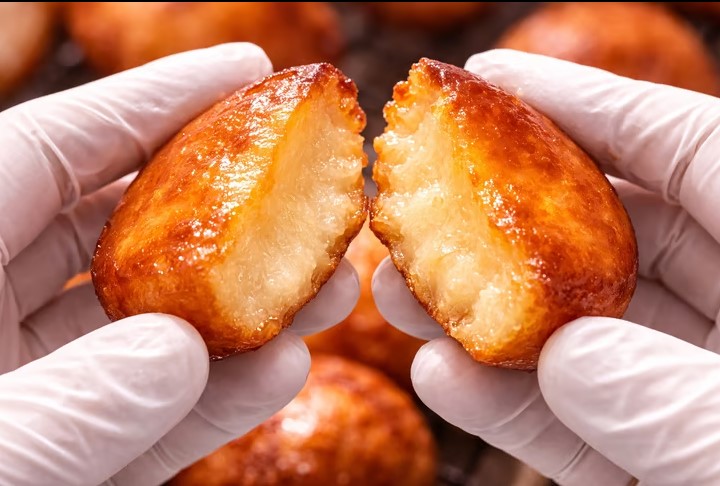
Following the success of the Dubai-style cookie, another hybrid dessert is gaining traction: Butter Mochi (버터떡).
Originally inspired by Chinese-style butter rice cakes, Korea’s version emphasizes the beloved “crispy outside, soft inside” (겉바속촉) texture—enhanced with an extra chewy bite. This layered texture experience is proving highly addictive, encouraging repeat purchases and long-term demand.
What’s notable is that these desserts are no longer isolated hits. They are forming a distinct product category centered around texture contrast, signaling a structural shift in how desserts are developed and consumed.
From Industry-Led to Consumer-Led Trends
Perhaps the most significant shift is who drives the trend.
In the past, food companies created products and pushed them into the market. Today, the process has flipped:
- Consumers discover and share experiences via social media
- Trends emerge organically through viral content
- Brands respond and scale what’s already popular
This SNS-driven ecosystem has expanded beyond Gen Z and Millennials, now influencing consumers across all age groups.
Why Texture Matters More Than Ever
The success of K-style hybrid desserts reflects a deeper consumer behavior shift: desserts are no longer just food—they are experiences.
Texture adds a new dimension that is:
- Visually engaging (perfect for social media)
- Physically satisfying (enhanced mouthfeel)
- Emotionally memorable (novel and fun to eat)
In short, texture has become a key currency in modern food culture.
The Future of K-Desserts
As Korea continues to reinterpret global flavors through its own culinary lens, the hybrid dessert trend is expected to expand even further—potentially influencing global menus and retail strategies.
From chewy cookies inspired by Dubai to crispy-chewy butter mochi, one thing is clear:
K-desserts are no longer following trends—they’re creating them.
KOREA FBI Editor’s Comment
Korea’s dessert innovation is a perfect example of how local creativity meets global influence. By focusing on texture—a universal sensory language—K-desserts are breaking cultural barriers and reshaping the way the world enjoys sweets. This isn’t just a trend; it’s the beginning of a new global dessert standard.
작성자 소개