Chinese cosmetics brands are aggressively entering South Korea — even sacrificing margins — to secure placements on major Korean retail platforms.
At first glance, it looks irrational. Why invest heavily in Korea, discount products by 20–30%, and accept lower profits?
The answer is simple:
Korea is not the final market. It’s the global launchpad.
🇰🇷 Korea as a “Global Beauty Certification”
For beauty brands, getting into:
- Olive Young
- Musinsa
- Coupang
is more than retail expansion.
It’s brand validation.
Korea is globally recognized as the epicenter of K-beauty innovation. If a product is sold in Korea — especially at Olive Young — it can later be marketed overseas as:
“Trending in Korea”
“K-beauty inspired”
“Developed with Korean beauty technology”
For Southeast Asia, the US, Europe, and Japan, that label carries weight.
Flower Knows: From “Sold-Out Luxury” to “Mass Visibility”
One of the most watched cases is Flower Knows.
In China, the brand built a premium image through limited releases and frequent sell-outs.
But in Korea? The strategy flipped:
- 23–28% launch discounts
- Inventory shifted toward Musinsa
- Ranking-focused marketing
The goal isn’t short-term profit — it’s platform performance data.
After securing presence in Korea, Flower Knows expanded globally, including a partnership with US retail chain Urban Outfitters.
Korea becomes the story.
Global expansion becomes the payoff.
Switching to Korean OEM for Image Upgrade
Some Shanghai-based skincare brands are reportedly changing manufacturers to Korean giants like:
- Cosmax
- Kolmar Korea
Even if that means sacrificing 30% of margin.
Why?
Because “Made with Korean technology” softens the C-beauty label and strengthens credibility in Western and Southeast Asian markets.
This isn’t about Korea alone.
It’s about reshaping global perception.
Offline Expansion: YOYOSO’s Ultra-Low Price Strategy
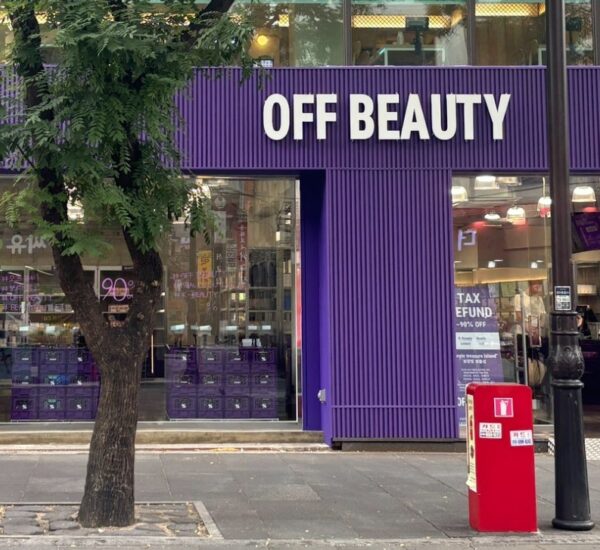
Meanwhile, Chinese lifestyle retailer YOYOSO is expanding physical beauty stores in Korea.
This strategy is different:
- Ultra-low price positioning
- Fast offline brand exposure
- Normalizing Chinese beauty consumption
It builds familiarity in Korea while strengthening international supply chain confidence.
Why This Matters Globally
K-beauty demand continues to rise worldwide. Social media platforms like TikTok and Instagram amplify Korean beauty trends instantly.
By entering Korea first, Chinese brands gain:
✔ Cultural proximity to K-beauty
✔ Marketing legitimacy
✔ Platform credibility
✔ Data for global retail negotiations
In short:
Korea is the branding bridge between C-beauty manufacturing power and global K-beauty premium positioning.
Will This Change the Beauty Power Balance?
The big questions now:
- Will Korean consumers distinguish between “K-beauty brand” and “sold in Korea”?
- How will Korean indie brands compete against aggressive pricing?
- Will global buyers see through the strategy — or embrace it?
The next 2–3 years could redefine Asia’s beauty leadership.
KOREA FBI Editor’s Comment
Chinese beauty brands aren’t just entering Korea. They’re leveraging Korea.
In the global beauty market, perception is everything. And right now, Korea is the world’s most powerful beauty endorsement.
The real competition isn’t price — it’s identity.
작성자 소개